Associated Incidents
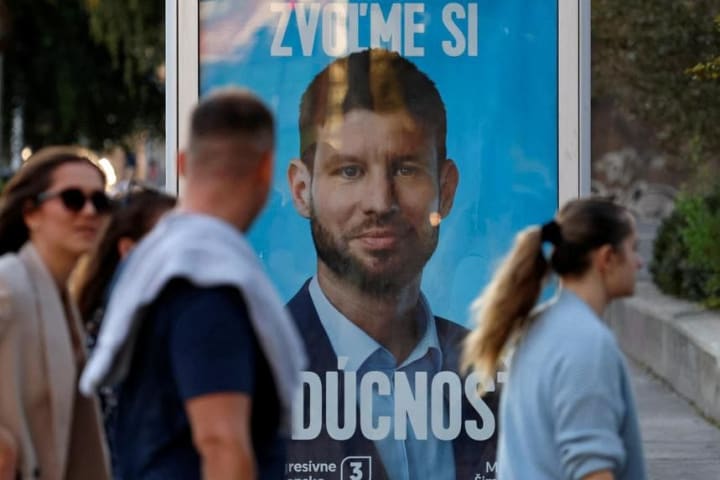
BRATISLAVA – Videos featuring artificial intelligence-generated deepfake voices of politicians are spreading on social media ahead of the Slovak parliamentary elections this weekend, showcasing how the emergent technology is being harnessed for political disinformation.
The clips are being shared on sites including Meta Platforms’ Facebook and Instagram and messaging apps like Telegram that include audio impersonating political opponents, said Reset, a research group that looks at technology’s impact on democracy, in a report on Friday.
One such video features a two-minute-long conversation in which the leader of the progressive party, Mr Michal Simecka, appears to discuss buying votes from the Roma minority with a journalist.
AFP fact-checkers consulted several experts who concluded that the audio was synthesised by an artificial intelligence (AI) tool trained on real samples of the speakers’ voices, and several copies are available on social media without a label marking them as misleading.
A spokesman for Meta said that while posts from political parties are not eligible for fact-checking because Meta should not be “preventing a politician’s speech from reaching its audience and being subject to public debate and scrutiny”, its fact-checkers covering Slovakia “continue to actively debunk false claims relating to the elections circulating online”.
A representative for Telegram did not respond to a request for comment.
Researchers and lawmakers have been warning about a wave of disinformation powered by AI, but fake images and videos have until now been more of a playful curiosity.
The Slovak examples appear to show how the technology can be used to deceive and antagonise voters in the final days before a narrowly contested election.
The elections are shaping up to be one of the most consequential for the eastern European Union nation of 5.4 million since the fall of communism. Mr Robert Fico’s SMER party is one of the front runners and running on a populist campaign that has denounced sanctions against Russia and military aid to Ukraine. He is up against Mr Simecka’s pro-European Progressive Slovakia party.
In another video, far-right political party Republika posted political ads featuring AI-generated voice-overs based on Mr Simecka and President Zuzana Caputova warning voters against following “the progressive herd blindly”. The videos remained on Facebook and Instagram on Friday.
“For three or four years, everyone has been talking about the coming wave of deepfake manipulation, but for whatever reason it didn’t happen. But there’s reason to think it could be different now,” said Mr Rolf Fredheim, who conducted the research for Reset, which was more broadly focused on tracking a spike in disinformation and hate speech ahead of the elections.
Mr Fredheim, who previously tracked disinformation at Nato’s StratCom, said that deepfake technology has become a lot easier for the average person to use without needing a very powerful computer.
He pointed to apps such as HeyGen that make it very easy to turn scripts into talking deepfake videos using short samples of someone’s voice.
“With the examples from the Slovak election, there’s every reason to think that professional manipulators are looking at these tools to create effects and distribute them in a coordinated way,” he added.
HeyGen did not immediately respond to a request for comment. BLOOMBERG