Associated Incidents
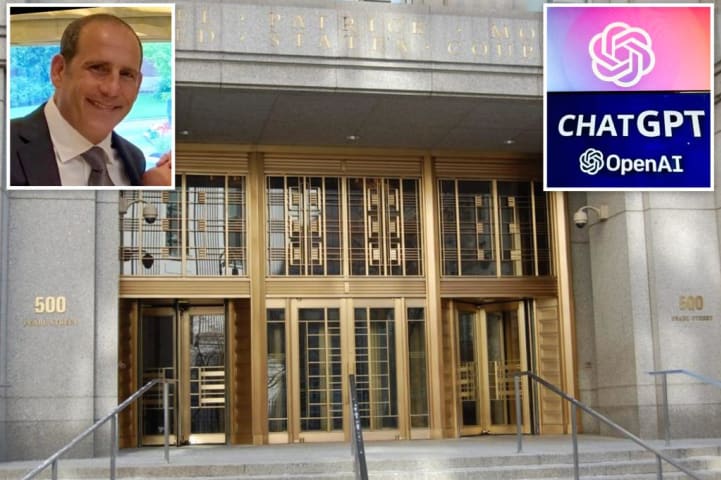
A lawyer at a respected Tribeca firm admitted citing several “bogus” lawsuits he claimed bolstered his case — because he used an artificial intelligence chatbot to help write the Manhattan federal court filing.
The shocking admission from Steven Schwartz, an attorney with firm Levidow, Levidow & Oberman, came after he asked ChatGPT to find cases relevant to his client’s lawsuit — only for the bot to fabricate them entirely, court documents show.
The snafu began after Schwartz’s legal partner Paul LoDuca filed a lawsuit against the Colombian airline Avianca on behalf of Robert Mata, who was allegedly injured when a metal serving cart struck his knee on a flight to New York City.
When the airline’s lawyers asked the court to toss the suit, Schwartz filed a brief that supposedly cited more than a half dozen relevant cases.
There was just one problem: the cases — such as Miller v. United Airlines, Petersen v. Iran Air and Varghese v. China Southern Airlines — were completely made up by ChatGPT.
“The court is presented with an unprecedented circumstance,” wrote Manhattan federal Judge P. Kevin Castel in a May 4 document, first reported by The New York Times on Saturday, calling on Schwartz and LoDucan to appear for a June 8 hearing to face possible sanctions over the eyebrow-raising filing.
“Six of the submitted cases appear to be bogus judicial decisions with bogus quotes and bogus internal citations,” Castel wrote.
In a sworn affidavit filed last week, Schwartz admitted that he used ChatGPT while compiling the paperwork that Loduca filed, writing he “relied on the legal opinions provided to him by a source that has revealed itself to be unreliable.”
The signed mea culpa went on to say that Schwartz “was unaware of the possibility that its [ChatGPT’s] content could be false.”
The disgraced lawyer also told the judge he “greatly regrets” using AI for the legal “research” and “will never do so in the future without absolute verification of its authenticity.”
Peter Loduca wrote last week in an affidavit he was not involved in the malfeasance and “had no reason to doubt the authenticity of the case law” fabricated in the document.
Loduca added he had worked with Schwartz for 25 years and never recalled him looking to “mislead” a court.