Associated Incidents
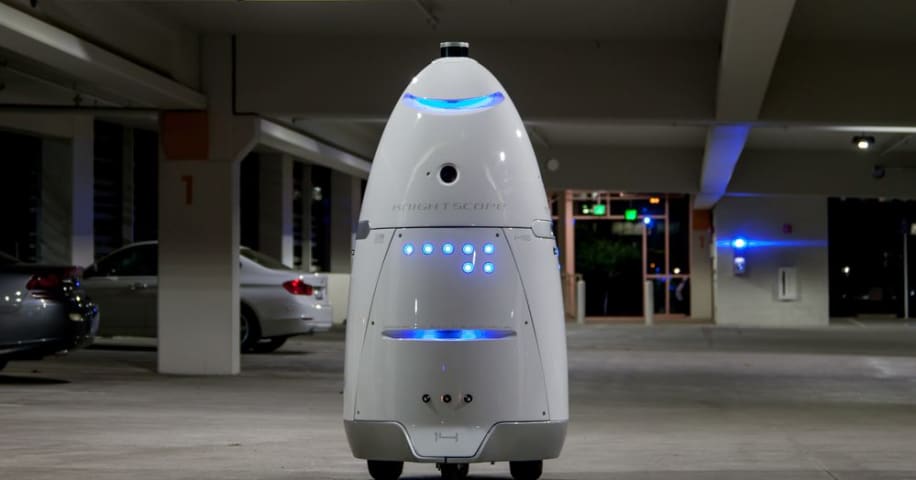
An animal shelter in San Francisco has been criticized for using a robot security guard to scare off homeless people.
The San Francisco branch of the SPCA (the Society for the Prevention of Cruelty to Animals) hired a K5 robot built by Knightscope to patrol the sidewalks outside its facilities. According to a report from the San Francisco Business Times, the robot was deployed as a “way to try dealing with the growing number of needles, car break-ins and crime that seemed to emanate from nearby tent encampments of homeless people.”
Jennifer Scarlett, president of the SF SPCA told the Business Times last week: “We weren’t able to use the sidewalks at all when there’s needles and tents and bikes, so from a walking standpoint I find the robot much easier to navigate than an encampment.”
The robot in question is equipped with four cameras, moves at a pace of three miles per hour, and is cheaper than a human security guard — costing around $6 an hour to rent. Knightscope’s bots are some of the most popular robot guards around and have popped up in the news in the past. The same model of robot previously knocked over a toddler in a mall and fell into a fountain in DC. Knightscope says its robots are intended as deterrents, and for providing mobile surveillance.
Reaction to the news on social media has been overwhelming negative, with people shaming the SPCA for deploying the machine, and encouraging others to vandalize or destroy it.
Capitalism: instead of providing homes for homeless people, spend exorbitant sums of money creating robots that will prevent homeless people from making homes for themselveshttps://t.co/FowyreaUTV
— Ben Norton (@BenjaminNorton) December 13, 2017
According to the SPCA, attacks have already taken place, with Scarlett telling the Business Times that within a week of the robot starting its duties, some people “put a tarp over it, knocked it over and put barbecue sauce on all the sensors.” One Twitter user reported seeing the robot with feces smeared on it.
At the time of writing, the SF SPCA had not responded to a request for comment from The Verge, although the robot’s creators, Knightscope, denied the framing of the news.
“Contrary to sensationalized reports, Knightscope was not brought in to clear the area around the SF SPCA of homeless individuals,” a spokesperson told The Verge. “Knightscope was deployed, however, to serve and protect the SPCA. The SCPA has the right to protect its property, employees and visitors, and Knightscope is dedicated to helping them achieve this goal. The SPCA has reported fewer car break-ins and overall improved safety and quality of the surrounding area.”
Knightscope’s response raises interesting questions about how society will respond to robots like these in the future. Although the company denies that the bot was being used to deter the homeless, comments from SPCA show that this definitely was one of the outcomes — whether intentional or not. Because the robot is semi-autonomous, Knightscope (and, potentially, the SPCA) can shift the blame for its actions. They only rented the robot; they didn’t tell it to do anything.
In any case, the SPCA K5 might have a limited shelf life in San Francisco. The city recently passed new legislation limiting the use of robots in city streets. Although the rules were aimed primarily at delivery bots, the SPCA has been ordered to keep the K5 off sidewalks or face a $1,000 daily fine. Knightscope is currently negotiating with the city over future deployments.