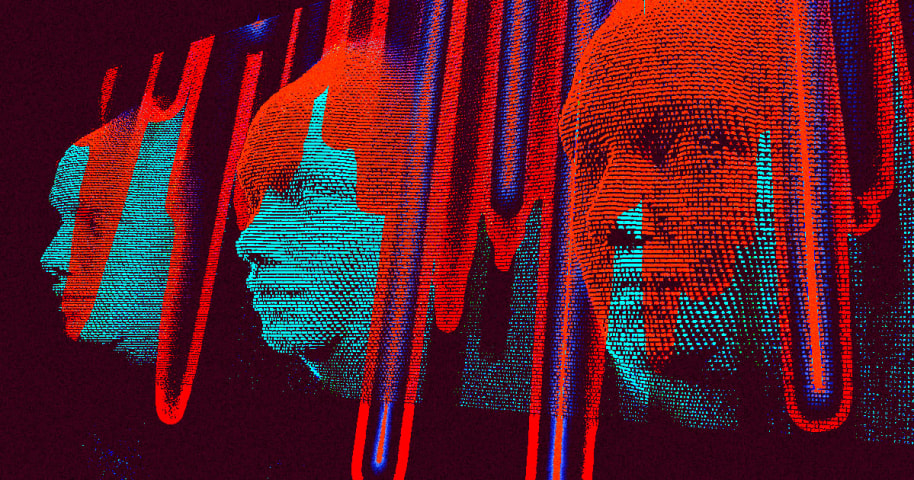
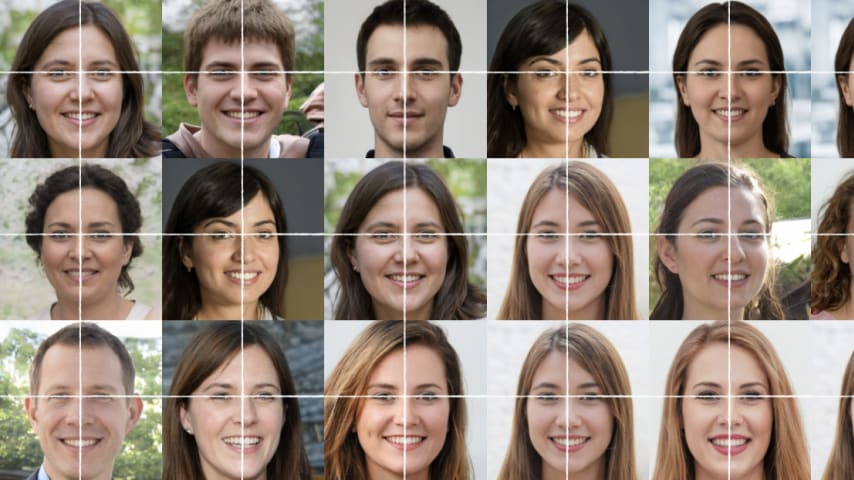
Incident 167: Un modèle de détection des hommes homosexuels mis au point par des chercheurs est dénoncé comme une menace pour la sécurité et la vie privée des personnes LGBTQ.
Description: Des chercheurs de la Stanford Graduate School of Business ont développé un modèle qui déterminait, sur une échelle binaire, si une personne était homosexuelle en utilisant uniquement son image faciale, ce que des groupes de défense des droits comme GLAAD et la Human Rights Campaign ont dénoncé comme une science erronée et menaçante pour les personnes LGBTQ.
Entités
Voir toutes les entitésPrésumé : Un système d'IA développé et mis en œuvre par Yilun Wang , Michal Kosinski , Kosinski-Wang sexual orientation prediction model , Facial attribute inference systems et Sensitive attribute inference systems, a endommagé non-American LGBTQ people , LGBTQ people of color , LGBTQ people , Privacy et Biometric data subjects.
Systèmes d'IA présumés impliqués: Kosinski-Wang sexual orientation prediction model , Facial attribute inference systems et Sensitive attribute inference systems
Classifications de taxonomie GMF
Détails de la taxonomieKnown AI Goal Snippets
One or more snippets that justify the classification.
(Snippet Text: Presented with photos of gay men and straight men, a computer program was able to determine which of the two was gay with 81 percent accuracy, according to Dr. Kosinski and co-author Yilun Wang’s paper., Related Classifications: Behavioral Modeling, Snippet Discussion: Pairwise classification)
Risk Subdomain
A further 23 subdomains create an accessible and understandable classification of hazards and harms associated with AI
2.1. Compromise of privacy by obtaining, leaking or correctly inferring sensitive information
Risk Domain
The Domain Taxonomy of AI Risks classifies risks into seven AI risk domains: (1) Discrimination & toxicity, (2) Privacy & security, (3) Misinformation, (4) Malicious actors & misuse, (5) Human-computer interaction, (6) Socioeconomic & environmental harms, and (7) AI system safety, failures & limitations.
- Privacy & Security
Entity
Which, if any, entity is presented as the main cause of the risk
Human
Timing
The stage in the AI lifecycle at which the risk is presented as occurring
Post-deployment
Intent
Whether the risk is presented as occurring as an expected or unexpected outcome from pursuing a goal
Intentional
Rapports d'incidents
Chronologie du rapport
Loading...
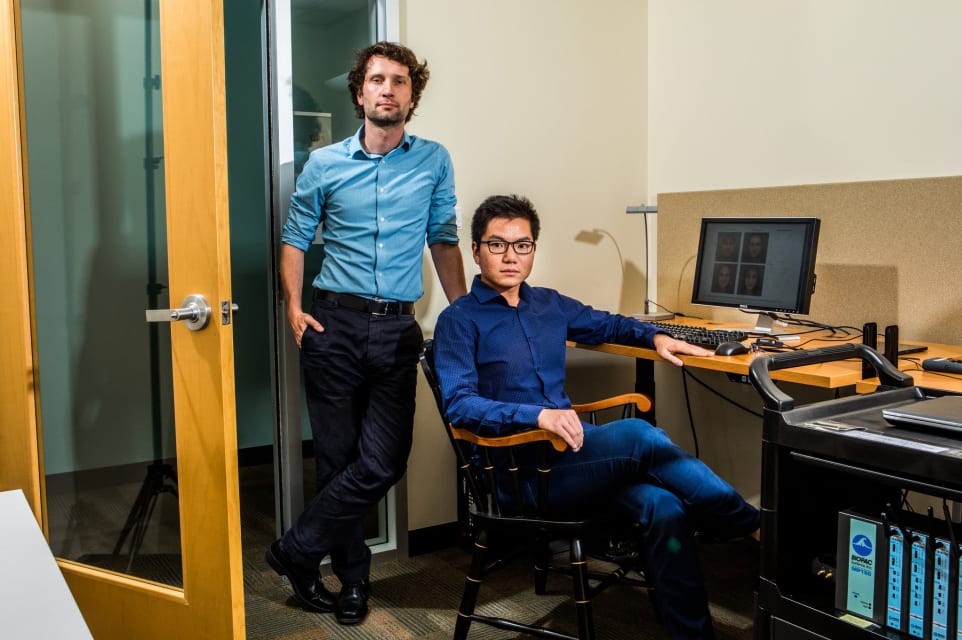
Michal Kosinski a estimé qu'il avait de bonnes raisons d'enseigner à une machine à détecter l'orientation sexuelle.
Une start-up israélienne avait commencé à colporter un service qui prédisait les tendances terroristes sur la base d'une ana…
Variantes
Une "Variante" est un incident de l'IA similaire à un cas connu—il a les mêmes causes, les mêmes dommages et le même système intelligent. Plutôt que de l'énumérer séparément, nous l'incluons sous le premier incident signalé. Contrairement aux autres incidents, les variantes n'ont pas besoin d'avoir été signalées en dehors de la base de données des incidents. En savoir plus sur le document de recherche.
Vous avez vu quelque chose de similaire ?