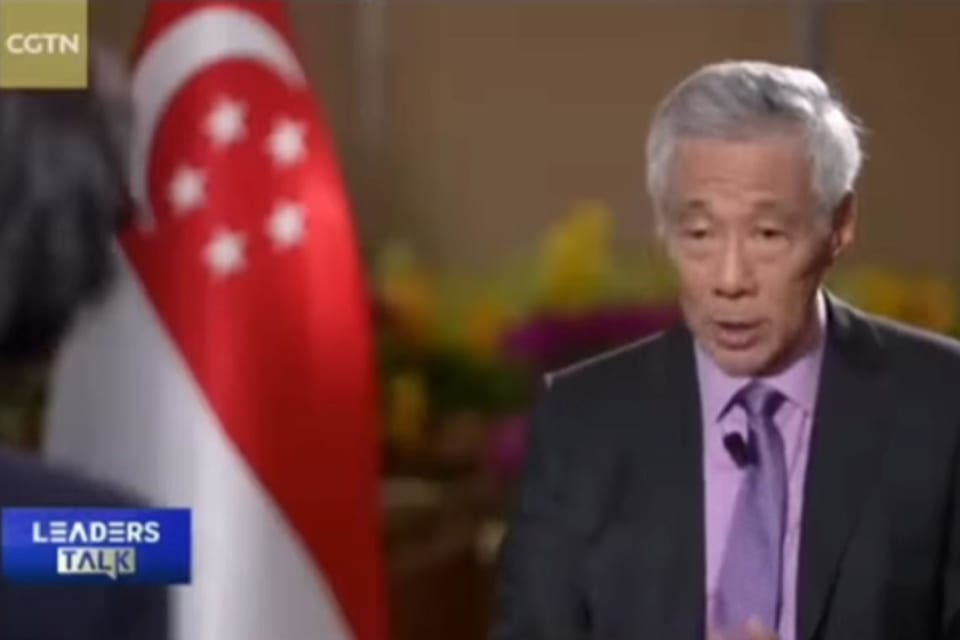
概要: ディープフェイク動画が、シンガポールのリー・シェンロン首相が仮想通貨投資詐欺を宣伝しているという虚偽の描写をしていました。詐欺師たちはAI生成によるクローン音声と公式行事の映像を操作し、中国グローバルテレビネットワークとのインタビュー動画を偽装しました。リー首相は国民に警告を発し、ScamShieldボットを通じて通報するよう呼びかけました。
Editor Notes: Two significant AI incidents involving Lee Hsien Loong occurred several months apart from each other. This incident pertains to the December 2023 one. The other one, Incident 986, pertains to a June 2024 incident. This incident ID is retroactive; Lee was Prime Minister during the time of the incident, but the incident ID was created during his time as Senior Minister. See also Incident 988 for information pertaining to disinformation-related deepfakes of Lee that emerged in late June 2024.
Alleged: Deepfake technology developers と Synthetic audio generation technology developers developed an AI system deployed by Scammers impersonating Lee Hsien Loong と Scammers, which harmed Lee Hsien Loong と General public of Singapore.
関与が疑われるAIシステム: Deepfake technology と Synthetic audio generation technology
インシデントのステータス
Risk Subdomain
A further 23 subdomains create an accessible and understandable classification of hazards and harms associated with AI
4.3. Fraud, scams, and targeted manipulation
Risk Domain
The Domain Taxonomy of AI Risks classifies risks into seven AI risk domains: (1) Discrimination & toxicity, (2) Privacy & security, (3) Misinformation, (4) Malicious actors & misuse, (5) Human-computer interaction, (6) Socioeconomic & environmental harms, and (7) AI system safety, failures & limitations.
- Malicious Actors & Misuse
Entity
Which, if any, entity is presented as the main cause of the risk
AI
Timing
The stage in the AI lifecycle at which the risk is presented as occurring
Post-deployment
Intent
Whether the risk is presented as occurring as an expected or unexpected outcome from pursuing a goal
Intentional
インシデントレポート
レポートタイムライン
Loading...
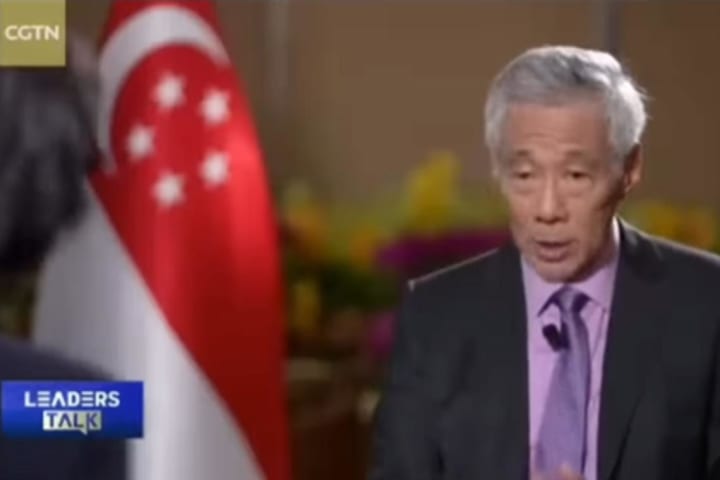
シンガポール – 投資商品を宣伝する姿が描かれた最新のターゲットであるリー・シェンロン首相は、シンガポール国民は警戒を怠らず、ディープフェイク詐欺から自分や愛する人を守る方法を学ばなければならないと述べた。
リー首相は12月29日のフェイスブック投稿で、オンラインで出回っている最近のディープフェイク動画を掲載した。この動画では、北京を拠点とする報道機関、中国グローバルテレビネットワークとのインタビューで仮想通貨スキームを提唱しているように見える。
彼は次のように書いている。「…
バリアント
「バリアント」は既存のAIインシデントと同じ原因要素を共有し、同様な被害を引き起こし、同じ知的システムを含んだインシデントです。バリアントは完全に独立したインシデントとしてインデックスするのではなく、データベースに最初に投稿された同様なインシデントの元にインシデントのバリエーションとして一覧します。インシデントデータベースの他の投稿タイプとは違い、バリアントではインシデントデータベース以外の根拠のレポートは要求されません。詳細についてはこの研究論文を参照してください
似たようなものを見つけましたか?
よく似たインシデント
Selected by our editors

Did our AI mess up? Flag the unrelated incidents
Loading...
バスの脇にいて横断歩道を渡らずに非難される女性の写真
· 24 レポート
Loading...
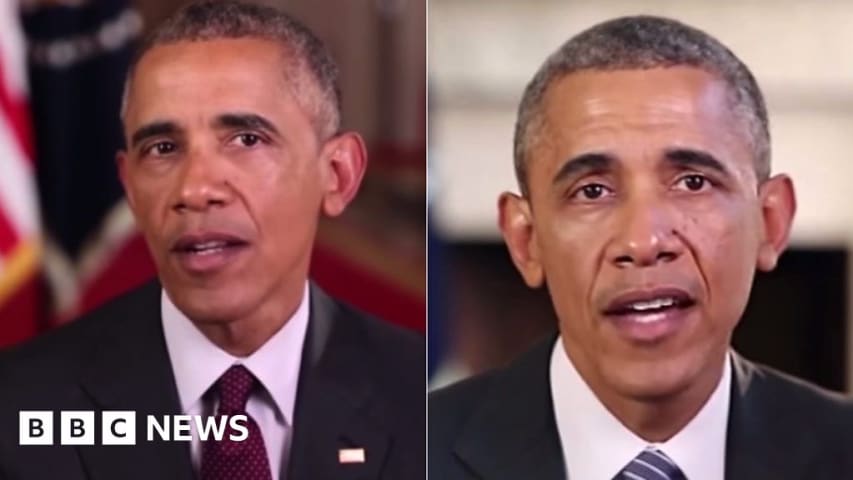
ディープフェイクオバマ ディープフェイクの導入
· 29 レポート
Loading...

オートコンプリートによる名誉毀損
· 27 レポート
よく似たインシデント
Selected by our editors
Did our AI mess up? Flag the unrelated incidents
Loading...
バスの脇にいて横断歩道を渡らずに非難される女性の写真
· 24 レポート
Loading...
ディープフェイクオバマ ディープフェイクの導入
· 29 レポート
Loading...
オートコンプリートによる名誉毀損
· 27 レポート