インシデントのステータス
Risk Subdomain
4.3. Fraud, scams, and targeted manipulation
Risk Domain
- Malicious Actors & Misuse
Entity
Human
Timing
Post-deployment
Intent
Intentional
インシデントレポート
レポートタイムライン


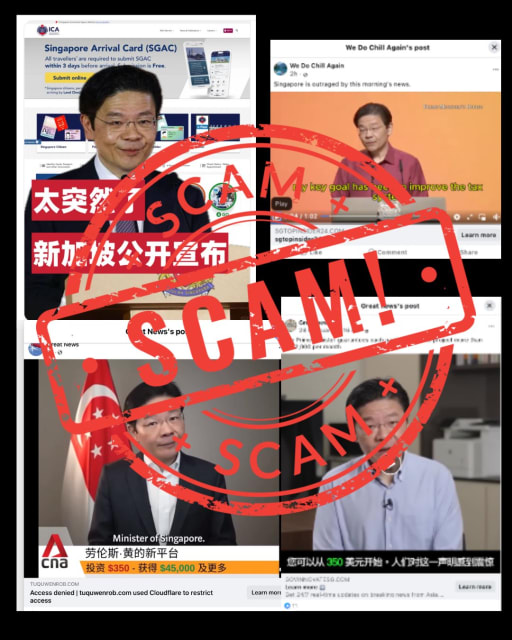


シンガポール:ローレンス・ウォン首相は金曜日(3月7日)、暗号通貨、金儲け計画、永住権申請サービスなどの商品やサービスを販売する自身のディープフェイク動画や画像について警告した。
ウォン首相はフェイスブックの投稿で、こうした詐欺が数多く出回っており、自身のフィードでも見かけたと述べた。
CNAが目にしたディープフェイク動画の中には、ウォン首相のAIクローン音声が使われているものもあった。
「こうした詐欺に反応したり、個人情報を共有したりしないでください」とウォン首相は述べ、S…

シンガポール(ベルナマ):シンガポールのローレンス・ウォン首相は、金儲け計画や永住権申請サービスなどの商品やサービスを宣伝するために詐欺師が自身のディープフェイク画像を利用していることについて国民に警告した。
ウォン首相は国民に対し、オンラインでは警戒を怠らず、詐欺の被害に遭わないよう呼び掛けた。
「皆さんの中には、報告するためにメールを送ってくれた方もいますし、私も自分のフィードで見ました。こうした詐欺には返信したり、個人情報を共有したりしないでください。ScamShiel…

シンガポールのローレンス・ウォン首相兼財務大臣は、自身の画像を使って仮想通貨、金儲けの計画、広報サービスを販売するディープフェイク詐欺について、再び人々に警告した。ウォン首相が副首相だったとき、彼の画像は投資詐欺を販売するディープフェイクに使用されていた。
リー・シェンロンがディープフェイクの標的になったという報告は、これまでに少なくとも2件あった。1件は首相在任中の2023年12月、その後は上級大臣だった2024年6月だった。
ウォン首相は金曜日のXの投稿で、「ディープフェ…

(ブルームバーグ)--シンガポールのローレンス・ウォン首相のディープフェイクがオンラインで出回っており、仮想通貨、金儲け計画、永住権申請サービスの販売に使用されていると、同国の指導者は金曜日に述べた。
ソーシャルメディアプラットフォームのFacebookとXへの投稿で、ウォン首相はオンラインでいくつかの動画を見たと述べた。彼は人々に警戒を怠らず、そのような詐欺に反応したり個人情報を共有したりしないように促した。投稿には、詐欺であると宣言する赤い看板の下にウォン首相のスクリーン…
バリアント
よく似たインシデント
Selected by our editors
Did our AI mess up? Flag the unrelated incidents

Defamation via AutoComplete

よく似たインシデント
Selected by our editors
Did our AI mess up? Flag the unrelated incidents