インシデントのステータス
Risk Subdomain
4.3. Fraud, scams, and targeted manipulation
Risk Domain
- Malicious Actors & Misuse
Entity
Human
Timing
Post-deployment
Intent
Intentional
インシデントレポート
レポートタイムライン

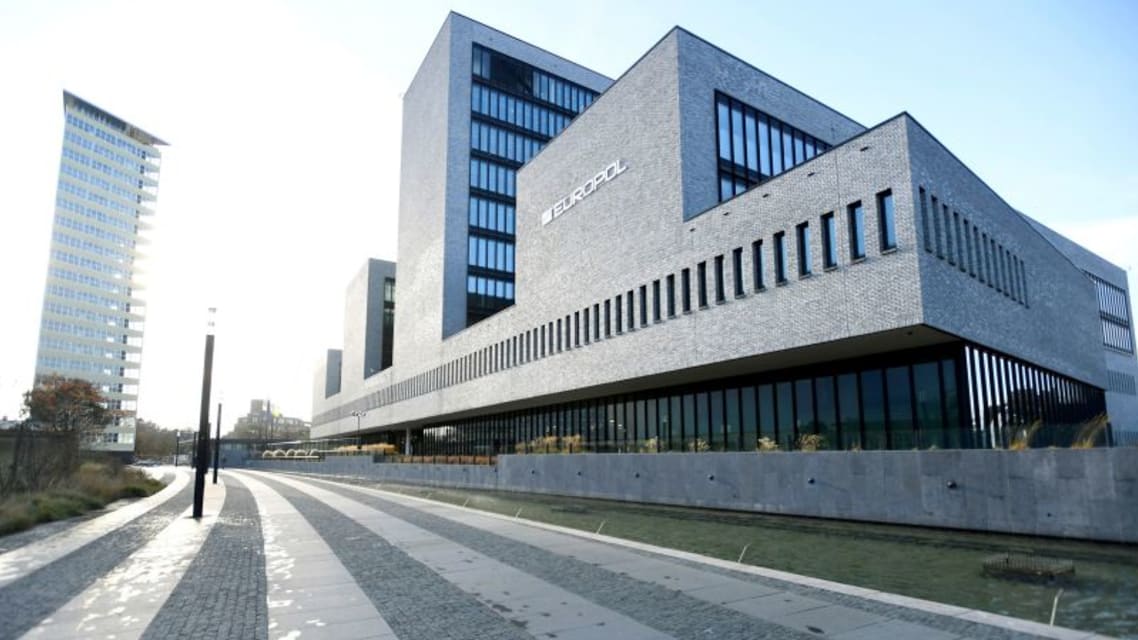





ユーロポールは、児童性的搾取に対する大規模な取り締まりで19カ国の当局を支援し、世界中で25人の逮捕につながった。容疑者は、人工知能(AI)によって完全に生成された未成年者の画像を配布する犯罪グループの一員だった。 - モーダルで開く!カンバーランド作戦
-
モーダルで開く!173 台の電子機器が押収されました
-
モーダルで開く!カンバーランド作戦
逮捕のほとんどは、デンマークの法執行機関が主導する世界規模の作戦(カンバーランド作戦)中に、20…
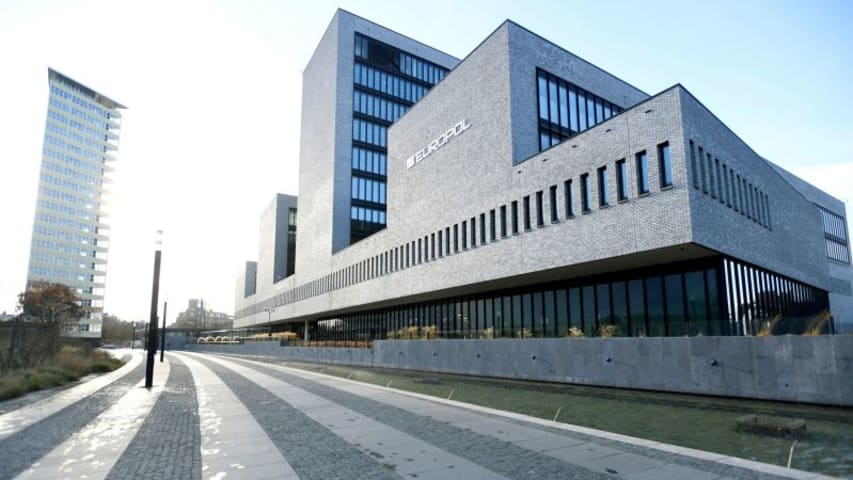
欧州連合の法執行機関ユーロポールは金曜日の声明で、AIが生成した児童性的虐待資料をめぐる世界的な捜査で25人が逮捕されたと述べた。
デンマークの法執行機関が主導したカンバーランド作戦は、この種の児童虐待資料をめぐる世界初の事件の一つで、ユーロポールは「捜査官にとって非常に困難」だったと述べた。
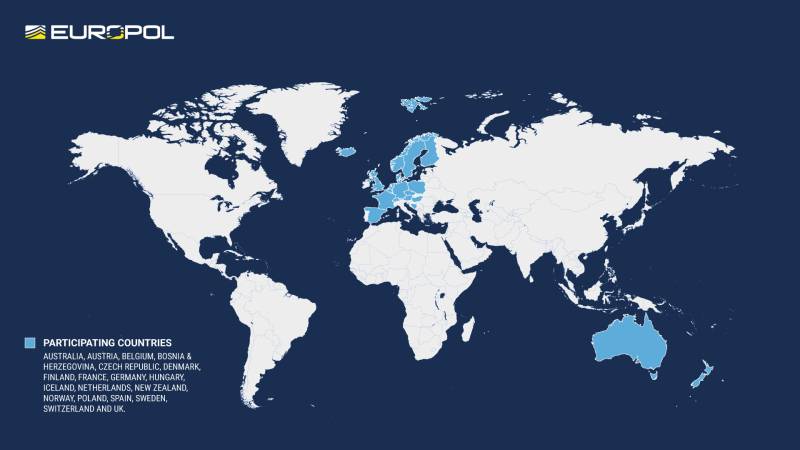
声明によると、この捜査は、ヨーロッパの多くの国、オーストラリア、ニュージーランドを含む19か国に及んだ。
ユーロポールによると、この事件は2024年11月にデンマーク人男性が逮捕された…

ハーグ — 人工知能によって生成され、オンラインで配信された児童性的虐待コンテンツに関して、世界的なキャンペーンにより少なくとも25人が逮捕されたと、ユーロポールは金曜日に発表した。
「カンバーランド作戦は、AIによって生成された児童性的虐待コンテンツに関する最初の事件の1つであり、これらの犯罪に対処する国内法がないため、捜査官にとって非常に困難となっている」と、ハーグに拠点を置く欧州警察機関は声明で述べた。
逮捕者の大半は水曜日、デンマーク警察が主導し、EU、オーストラリア…

ロンドン -- 欧州連合の法執行機関であるユーロポールは、人工知能によって完全に生成された未成年者の画像を配布する犯罪グループのメンバーである「児童性的搾取に対する大規模な一斉捜査」を実施したと当局は発表した。
ユーロポールによると、水曜日にデンマークの法執行機関が主導し同時に実行された「カンバーランド作戦」と呼ばれる作戦では、ヨーロッパ19か国の支援を受けて、世界中で合計25人が逮捕された。
ユーロポールによると、合計で273人の容疑者が特定され、25人が逮捕され、33件の…

欧州連合の法執行機関ユーロポールは、人工知能(AI)によって生成された児童虐待画像に対する世界的な捜査で、少なくとも25人が逮捕されたと発表した。
容疑者は、未成年者の完全なAI生成画像を配布する犯罪グループの一員だったと同機関は述べている。
ユーロポールによると、この捜査は、このような児童性的虐待素材(CSAM)を対象とする最初の捜査の1つである。これらの犯罪に対する国内法がないため、「捜査官にとって非常に困難」だったと付け加えた。
声明によると、逮捕は2月26日水曜日、デ…

ユーロポールは金曜日、この種の初の国際捜査で少なくとも25人が逮捕されたと発表した。主犯はデンマーク在住者。
スイスの通信社キーストーンATSの連絡を受けた連邦警察局(fedpol)は、バーゼル州の州警察とルツェルン警察、チューリッヒ市警察がそれぞれ購入者とみられる人物を逮捕し、拘留したと述べた。刑事手続きは各検察庁が行っている。
逮捕者の大半は水曜日、デンマーク警察が主導し、スイスを含む18カ国の法執行機関も参加した世界規模の捜査で行われた。
この取り締まりは、11月にこの…
(Keystone-ATS) ユーロポールは金曜日、この種の初の国際捜査で少なくとも25人が逮捕されたと発表した。主たる被告人はデンマーク在住。
キーストーンATSからの連絡を受けた連邦警察局は、バーゼル・ラントシャフト警察、ルツェルン警察、チューリッヒ市警察がそれぞれ購入者とみられる人物を逮捕し、暫定的に拘留したと述べた。刑事訴訟はそれぞれの検察官によって行われます。
逮捕の大部分は水曜日、デンマーク警察が主導し、スイスを含む18カ国の法執行機関が参加した世界規模の捜査活動…

最近、犯罪グループの容疑者20人以上が、人工知能によって生成された未成年者の性的画像を配布した疑いで逮捕された。
ユーロポールのプレスリリースによると、デンマークの法執行機関が主導し、他の18か国の機関が支援する「カンバーランド作戦」では、273人の容疑者が特定され、今後数週間でさらに逮捕者が出そうだ。この作戦では、これまでに33件の家宅捜索が行われ、173台の電子機器が押収された。
主な容疑者である名前が明らかにされていないデンマーク国籍の人物は、AIが生成した素材を配布す…

ロンドン
ユーロポールは金曜日、人工知能(AI)によって完全に生成された未成年者の性的に露骨な画像を配布した疑いで、大規模な世界的一斉捜査で25人が逮捕されたと発表した。
ユーロポールは、児童性的搾取の大規模な取り締まりで19カ国の当局を支援し、世界中で25人を逮捕したと声明で述べ、容疑者はAIによって生成された未成年者の画像の配布に関与した犯罪グループのメンバーであると付け加えた。
「逮捕のほとんどは、2025年2月26日の世界規模の作戦(カンバーランド作戦)中に同時に行わ…
編集者注: クイーンズランド州での逮捕のビジョンと画像 はHightailでご覧いただけます。
人工知能(AI)によって生成された児童虐待資料の制作と配布を狙った世界規模の作戦の一環として逮捕された25人の中には、オーストラリア人男性2名も含まれています。
AFPは今週、デンマーク警察が主導し、ユーロポールと19か国の法執行機関が関与したカンバーランド作戦の世界的な解決の一環として、オーストラリア人を起訴しました。
クイーンズランド州の男性(31歳)は2025年2月25日に起…

欧州連合の法執行機関であるユーロポールは先週水曜日、AIが生成した児童ポルノの世界的な取り締まりの一環として、19か国で24人を逮捕した。逮捕はEU域外にまで広がり、オーストラリア、イギリス、ニュージーランドでも地元警察と連携して容疑者が拘束された。
この取り締まりは、11月にデンマークで主犯の逮捕から始まった「オペレーション・カンバーランド」と呼ばれるキャンペーンの一環である。首謀者は、AIの助けを借りて作成した児童の画像に人々が金銭でアクセスできるウェブサイトを運営してい…
バリアント
よく似たインシデント
Did our AI mess up? Flag the unrelated incidents

オートコンプリートによる名誉毀損


ドイツのフォルクスワーゲン工場でロボットが作業員を死亡させる
よく似たインシデント
Did our AI mess up? Flag the unrelated incidents
オートコンプリートによる名誉毀損