インシデントのステータス
Risk Subdomain
2.1. Compromise of privacy by obtaining, leaking or correctly inferring sensitive information
Risk Domain
- Privacy & Security
Entity
Human
Timing
Post-deployment
Intent
Intentional
インシデントレポート
レポートタイムライン
![[단독] 정부, 출입국 얼굴사진 1억7천만건 AI업체에 넘겼다](https://res.cloudinary.com/pai/image/upload/f_auto/q_auto/c_fill,h_640/v1/reports/flexible.img.hani.co.kr/flexible/normal/640/385/imgdb/original/2021/1020/20211020504410.jpg)


![[단독] 정부, 출입국 얼굴사진 1억7천만건 AI업체에 넘겼다](https://res.cloudinary.com/pai/image/upload/f_auto/q_auto/c_fill,h_480/v1/reports/flexible.img.hani.co.kr/flexible/normal/640/385/imgdb/original/2021/1020/20211020504410.jpg)
정부가 출입국 심사에 쓸 '인공지능'(AI) 개발 명분으로 약 1억7천만건의 내-외국인 얼굴 사진을 민간 업체에 넘긴 것으로 확인됐다. 생체정보인 얼굴은 개인정보 중에서도 처리 규정이 까다로운 '민감 정보'다. 정부는 이 정보를 당사자 동의 없이 민간에 제공한 터라 논란이 예상된다. 나아가 정부는 인천국제공항 입국장에 수백대의 카메라를 설치해 생체정보를 추가로 축적하고 있다. 인공지능 산업 육성을 위해 정부가 무리수를 뒀다는 …

The South Korean government shared roughly 170 million face images of citizens and resident foreign nationals with the private sector without their consent to be used in training and testing biometric algorithms, according to a recent Minis…

법무부-과학기술정보통신부(과기부)가 내-외국인 얼굴 사진을 이용해 추진 중인 '인공지능 식별추적 시스템' 구축 사업에 대해 시민사회계가 "유례 없는 정보인권 침해"라며 규탄하고 나섰다. 참여연대와 민주사회를 위한 변호사모임(민변) 등은 이 사업의 '즉각 중단'을 촉구하며 법무부 장관에 면담을 요구하고 있다.
참여연대 공익법센터-민변 디지털정보위원회-정보인권연구소 등 6개 시민단체는 9일 서울 종로구 참여연대 사무실에서 기자회견…

A project intended to develop an artificial intelligence-powered facial recognition system to be used for airport immigration purposes, spearheaded by South Korea’s Ministry of Justice and the Ministry of Science and Information and Communi…
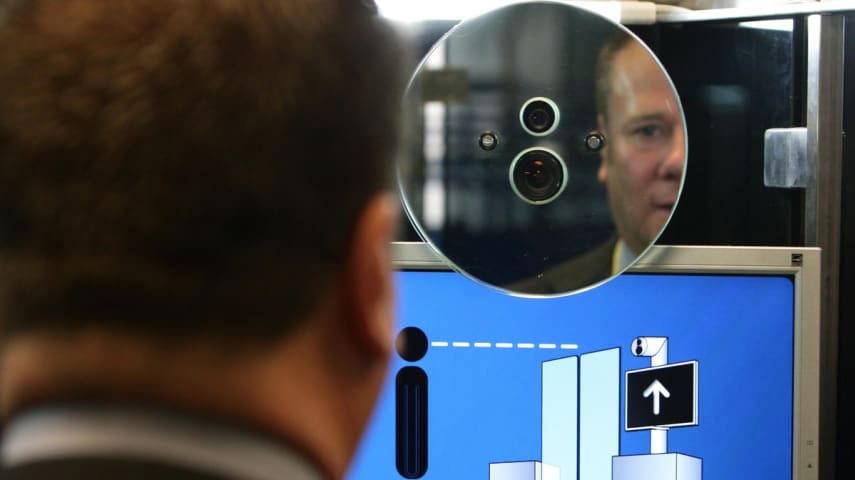
The South Korean Ministry of Justice has provided more than 100 million photos of foreign nationals who travelled through the country’s airports to facial recognition companies without their consent, according to attorneys with the non-gove…
バリアント
よく似たインシデント
Did our AI mess up? Flag the unrelated incidents

オートコンプリートによる名誉毀損
バスの脇にいて横断歩道を渡らずに非難される女性の写真

よく似たインシデント
Did our AI mess up? Flag the unrelated incidents
オートコンプリートによる名誉毀損