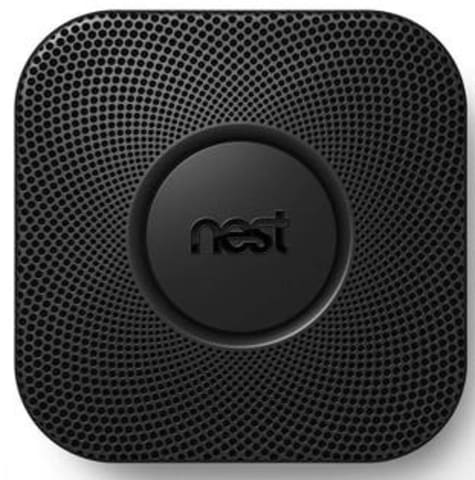
Nest, the smart sensors and controls company recently acquired by Google for $3.2 billion in cash, just officially announced a massive recall of 440,000 Nest Protect smoke and CO detectors due to the possibility of complete failure to sound an alert when triggered by an actual fire or CO threat. This recall is for one of the company's primary bread and butter products that requires being connected to the Internet for updates. The trouble is, though most consumers would have specific reason to connect a Nest thermostat to the Internet, so they can control home climates remotely, some might not bother to connect a smoke detector and CO alarm product.
This recall comes on the heels of an announcement by the company in April that they would stop selling the product due to a faulty feature called 'Nest Wave.' Wave gives users the ability to silence an alarming unit during an alarm or test simply by vigorously waving their arm at it. It sounds convenient doesn't? How many times have you burned something in the kitchen and wished you could have shut that detector the heck up, as you flap your dish rag at it?
The defect, however, is actually intrinsic to this feature's design. If there is activity near the detector during an actual fire, it may never sound. Not good. The remedy is connecting the Nest Labs Smoke + CO alarm to the Internet for a firmware update that will disable this feature. Again, however, if your Nest alarm isn't connected, you'll never get the update, hence the manufacturer's recall.
This defect and recall is an interesting reminder of why we need to go cautiously and conservatively into this great opportunity with the "Internet of Things." On the surface, a smart detector that will shut its trap when you know things are safe, is a great convenience feature. On the other hand, triggering that off switch based on movement ended up to be a really bad idea. And of course, an IOT-connected safety product that isn't actually connected to the IOT is what you call an island - an island of broken, potentially very dangerous product.
I tend to be an early adopter of technology but when it comes to safety products, there is no substitute for tried and true field performance data over decades of actual use.