関連インシデント
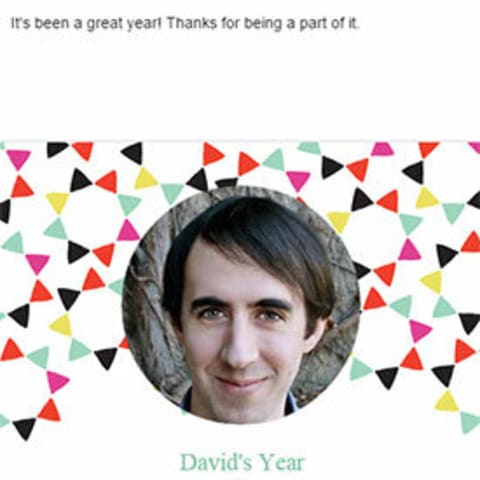
Facebook's "Year in Review" feature is a delight to some and a painful reminder for others of events in 2014 they'd rather not be reminded of as the year comes to a close.
Web designer Eric Meyer's daughter Rebecca died in 2014. Last week, Meyer wrote of his anguish at seeing her photo as the featured image in the Year in Review cooked up by Facebook's algorithms and delivered to him on Christmas Eve.
"I didn't go looking for grief this afternoon, but it found me anyway," Meyer wrote on his blog(Opens in a new window). "[A]nd I have designers and programmers to thank for it. In this case, the designers and programmers are somewhere at Facebook."
At least the social network has had the decency to apologize for its tone deafness. As spotted by The Guardian(Opens in a new window), Meyer said he'd received a personal apology from Jonathan Gheller, Facebook's product manager for Year in Review.
Gheller contacted him "before the story started hitting the papers, and he was sincerely apologetic," Meyer wrote in a follow-up post(Opens in a new window). The Facebook rep also told Meyer he was "determined to do better in the future."
"[The app] was awesome for a lot of people, but clearly in this case we brought him grief rather than joy," Gheller told The Washington Post(Opens in a new window).
That's a nice sentiment, but there's still the problem of trusting an algorithm to filter through a person's social media content to determine what truly sums them up. Facebook users are complex individuals—the ones that aren't bots or corporate landing pages, anyway.
One Facebook friend of my own had a tuna sandwich as the lead image for his Year in Review, while The Guardian pointed to another user whose burning apartment(Opens in a new window) was apparently the bit of warm-and-fuzzy imagery the app decided to serve up for the holidays.
On the other hand, Meyer himself was very charitable about the intent behind Year in Review—and also upset that some of his supporters have hurled invective at Facebook and the team that built the app.
"This inadvertent algorithmic cruelty is the result of code that works in the overwhelming majority of cases, reminding people of the awesomeness of their years, showing them selfies at a party or whale spouts from sailing boats or the marina outside their vacation house," the web designer said.
"But for those of us who lived through the death of loved ones, or spent extended time in the hospital, or were hit by divorce or losing a job or any one of a hundred crises, we might not want another look at this past year."
Meyer also said that it was a mistake to think the Year in Review app was unusual in handling certain scenarios very poorly.
"Yes, their design failed to handle situations like mine, but in that, they're hardly alone. This happens all the time, all over the web, in every imaginable context. Taking worst-case scenarios into account is something that web design does poorly, and usually not at all," he said.